7 Top Mistakes Homeowners Make With Their Lawns (And How to Fix Them)
Avoid these 7 common lawn care mistakes that damage grass in Minnesota. Learn about proper mowing height, watering schedules, fertilizer application, soil compaction, and more to get a healthier, thicker lawn.
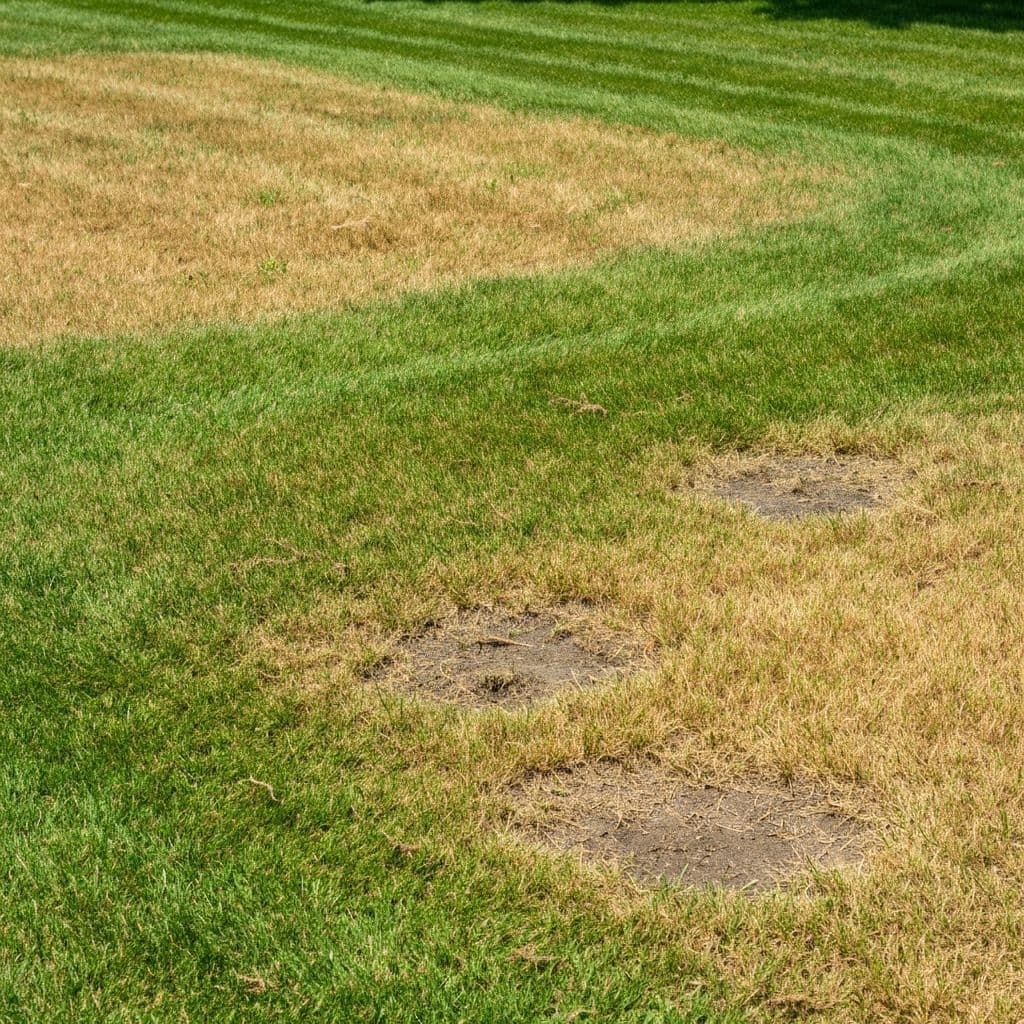
7 Top Mistakes Homeowners Make With Their Lawns (And How to Fix Them)
Many Minnesota homeowners unknowingly damage their lawns through common mistakes. These preventable errors can lead to thin, weak grass, weeds, disease, and thousands of dollars in damage. Here are the 7 most common lawn mistakes—and how to fix them.
Mistake #1: Mowing Too Short
The most frequent lawn mistake is cutting grass too short. Many homeowners believe shorter grass needs less frequent mowing, but this damages the lawn.
Why it's a problem:
- Weakens grass plants and roots
- Exposes soil, encouraging weed growth
- Stresses grass, especially in summer heat
- Prevents proper photosynthesis and growth
The fix:
- Keep grass 2.5-3.5 inches tall during growing season
- Never remove more than 1/3 of the blade length per mowing
- Adjust mower height seasonally (slightly lower in fall)
- For Minnesota, maintain 3 inches during summer for drought tolerance
Pro tip: Taller grass naturally crowds out weeds and requires less watering.
Mistake #2: Watering Wrong
Improper watering causes more lawn problems than any other factor. Both overwatering and inconsistent watering create issues.
Common watering mistakes:
- Watering daily in shallow amounts (encourages shallow roots)
- Watering in evening (promotes fungal disease)
- Watering on a fixed schedule regardless of weather
- Not watering during drought stress
The fix:
- Water deeply and less frequently (1-1.5 inches per week)
- Water early morning (6-8 AM) to reduce disease
- Adjust frequency based on rainfall and temperature
- During dry spells, water 2-3 times weekly rather than daily
- Use a rain gauge to measure water depth
Healthy roots need: Deep, infrequent watering that encourages roots to grow deeper into soil.
Mistake #3: Ignoring Soil Compaction
Most Minnesota homeowners never aerate their lawns, leading to compacted soil that strangles grass roots.
Signs of compaction:
- Water runs off instead of absorbing
- Bare or thin patches
- Heavy foot and pet traffic areas
- Moss or algae growth
The fix:
- Aerate annually in spring or fall
- This relieves compaction and improves air, water, and nutrient penetration
- Overseed immediately after aeration
- For heavily used areas, aerate twice yearly
Result: Healthier roots, better drainage, thicker grass.
Mistake #4: Wrong Fertilizer or Wrong Timing
Many homeowners apply too much fertilizer, apply it at wrong times, or use incorrect ratios.
Fertilizer mistakes:
- Applying excessive nitrogen (burns grass, encourages disease)
- Fertilizing in summer when grass is stressed
- Using lawn food meant for other plant types
- Ignoring soil test recommendations
- Applying dry fertilizer without watering
The fix:
- Get a soil test to know what your lawn needs
- Apply 3-4 times yearly on a proper schedule
- Spring application, early summer, late summer, fall
- Use balanced fertilizer appropriate for Minnesota lawns
- Always water fertilizer in after application
- Avoid fertilizing during summer heat stress
Better results: Right nutrients at right time = thicker, greener grass.
Mistake #5: Not Dealing With Weeds Early
Ignoring weeds when they're small leads to massive problems as they spread and establish.
Why early intervention matters:
- One weed can produce thousands of seeds
- Established weeds are hard and expensive to remove
- Weeds compete with grass for nutrients and water
- Some weeds are toxic to pets
The fix:
- Pull weeds when soil is moist (spring/after rain)
- Apply pre-emergent herbicide in early spring
- Use post-emergent for active weeds (follow label carefully)
- Never apply weed killer when it's hot (above 85°F)
- Overseeding bare spots prevents weed establishment
- Maintain healthy, thick grass as best weed prevention
Prevention is easier: Dense grass naturally prevents weed growth.
Mistake #6: Ignoring Fungal Diseases
Minnesota's humid summers create perfect conditions for lawn fungal diseases. Many homeowners don't recognize disease until it's severe.
Common lawn diseases:
- Brown patch (irregular brown circles)
- Dollar spot (small circular patches)
- Rust (orange dust on grass blades)
- Powdery mildew (white coating on blades)
The fix:
- Prevention first: Proper watering, mowing, and air circulation prevent most diseases
- Early detection: Scout lawn weekly for unusual patches
- Proper watering: Water in early morning, never evenings
- Good drainage: Aerate compacted areas where water pools
- Air circulation: Prune overhanging branches
- Fungicide treatment: Apply only when disease is confirmed (not preventively)
Professional help: If disease covers more than 10% of lawn, contact professionals.
Mistake #7: DIY Lawn Care Without a Plan
Many homeowners tackle lawn care haphazardly without understanding their lawn's needs or a proper schedule.
Planning mistakes:
- No soil test (treating blindly)
- Inconsistent care practices
- Wrong equipment for property size
- Not tracking what works and what doesn't
The fix:
- Get soil tested every 2-3 years (Hennepin County Extension offers testing)
- Create a seasonal lawn care calendar
- Document treatments and results
- Follow a consistent weekly mowing schedule
- Plan spring cleanup and fall cleanup in advance
- Consider professional lawn care for best results
Strategic approach: Plan ahead for seasonal needs and stick to schedules.
The Professional Alternative
If DIY lawn care feels overwhelming, professional lawn care services handle all of this:
- Customized care: Based on soil testing and property assessment
- Consistent schedule: Seasonal treatments applied at optimal times
- Proper equipment: Commercial-grade tools for best results
- Disease/weed monitoring: Early detection and treatment
- Time savings: You enjoy your lawn instead of struggling with it
True North Outdoor Services specializes in correcting these lawn care mistakes. From aeration and overseeding to proper mowing and seasonal cleanups, we handle comprehensive lawn restoration.
Quick Mistake Prevention Checklist
✓ Maintain 3-inch mowing height ✓ Water deeply 1-2x weekly in early morning ✓ Aerate annually in spring or fall ✓ Fertilize 3-4 times per year on schedule ✓ Address weeds while small ✓ Watch for disease signs ✓ Water after fertilizer application ✓ Never remove more than 1/3 blade length ✓ Get soil tested every 2-3 years ✓ Plan lawn care seasonally
Start Your Lawn Recovery Today
Most lawn damage from these mistakes is reversible. Start by identifying which mistakes you've been making, then implement the fixes. Within one growing season, you'll see dramatic improvement.
Ready to stop making lawn mistakes? Contact True North Outdoor Services for a free lawn evaluation and personalized care plan that prevents these common problems.
Ready to Transform Your Lawn?
Get professional lawn care services from True North Outdoor Services