How to Prevent Pet Damage to Your Lawn: A Homeowner's Guide
Protect your Minnesota lawn from pet damage with proven strategies. Learn how to prevent dog urine burn, stop digging, manage muddy paws, and maintain a beautiful yard while keeping your pets happy and healthy.
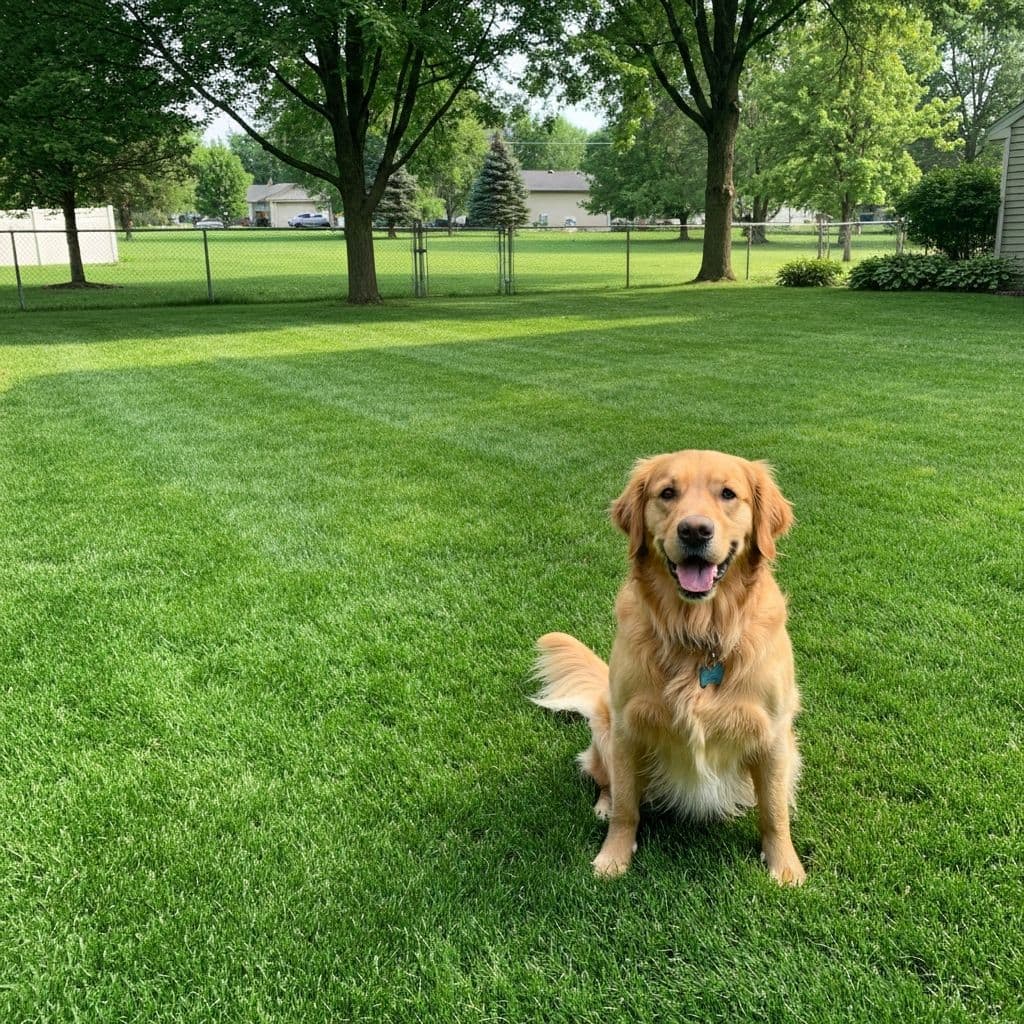
How to Prevent Pet Damage to Your Lawn: A Homeowner's Guide
Pet damage is one of the most common lawn problems Minnesota homeowners face. Whether you have dogs, cats, or other pets, their activities can quickly turn a beautiful lawn into an eyesore. The good news? With the right strategies, you can protect your lawn while keeping your pets happy and healthy.
Understanding Pet Damage to Lawns
Pet damage comes in several forms, each requiring different solutions:
- Urine burn: Dog urine creates yellow or brown patches from nitrogen concentration
- Digging: Dogs dig holes searching for cool soil or out of boredom
- Compaction: Pet pathways become worn and compacted from repeated traffic
- Muddy paws: Heavy paw traffic compacts soil and damages grass from constant trampling
- Feces damage: Pet waste creates unsightly patches and kills grass
Preventing Urine Burn Damage
Dog urine is the most common pet-related lawn problem. The high nitrogen concentration burns grass, creating dead patches surrounded by lush green (from the nitrogen effect).
Prevention strategies:
- Increase watering: Water heavily immediately after your dog urinates to dilute nitrogen in urine
- Create bathroom schedule: Let your dog out at consistent times so you know when and where they'll urinate
- Train designated areas: Train your dog to use a specific area of the yard (mulched or pea gravel section works well)
- Encourage water consumption: More water intake means more dilute urine with less nitrogen concentration
- Monitor for yellow patches: Catch urine damage early and water immediately to dilute nitrogen before it burns grass
Repair existing damage:
- Dead patches from urine burn require overseeding
- Water the area well and apply quality grass seed
- Keep soil moist for 2-3 weeks until grass establishes
- Avoid heavy foot traffic on recovering areas
Stop Digging Before It Starts
Dogs dig for various reasons: seeking cool soil on hot days, anxiety, burying items, or boredom. Understanding why your dog digs helps you stop the behavior.
Digging prevention:
- Increase exercise: Bored dogs dig more—ensure your pet gets adequate daily exercise and mental stimulation
- Provide shade and cooling: Dogs dig to find cool soil on hot days. Provide shaded resting areas, fresh water, and consider a kiddie pool
- Address anxiety: Some dogs dig from separation anxiety or stress. Work with a trainer if digging is compulsive
- Block access: Fence off prized lawn areas or supervise outdoor time until behavior improves
- Use deterrents: Bury chicken wire just below the surface in problem areas—dogs dislike the texture and stop digging there
Repairing dig damage:
- Fill holes with topsoil and quality grass seed
- Tamp down soil firmly before seeding
- Water regularly until grass establishes
- For severe damage, consider professional lawn repair
Controlling Muddy Paws and Compaction
Pet pathways can quickly become bare, compacted soil devoid of grass. The constant foot traffic from muddy paws compacts soil and prevents healthy grass growth—it's the trampling, not the mud itself, that damages the lawn.
Solutions:
- Create designated pathways: Use mulch, stepping stones, or pet pavers to define traffic routes and protect surrounding grass
- Hard landscaping: Install dog runs or pet yards with gravel or mulch instead of grass
- Protective seeding: Use a hardy, high-traffic grass blend for pet areas
- Aeration: Regular aeration helps combat soil compaction
- Rotate play areas: Shift where pets spend most of their time seasonally to give worn areas time to recover
Lawn-Friendly Pet Waste Management
Pet waste isn't just unsightly—it kills grass beneath and poses health risks.
Best practices:
- Daily cleanup: Pick up solid waste daily to prevent burn damage
- Designated relief areas: Train pets to use a specific area, making cleanup easier
- Pea gravel patch: Create a pea gravel area for pet waste—it's easy to clean and won't damage grass
- Use digestive enzymes: Sprinkle enzyme products on problem areas to break down urine
- Professional cleanup services: Some landscape companies offer pet waste removal services
Choosing Pet-Friendly Grass
Some grass types are more durable and resistant to pet damage.
Best Minnesota grasses for pet-heavy lawns:
- Perennial Ryegrass: Quick-growing and resilient to damage
- Kentucky Bluegrass: Self-repairing with rhizomes, excellent for heavy use
- Tall Fescue: Very durable, drought-tolerant, tolerates compaction
For pet-damaged areas, use a durable grass seed blend specifically formulated for high traffic.
Pet-Friendly Lawn Care Practices
Adjust your lawn care routine for a pet-heavy yard.
Lawn care modifications:
- Keep grass taller: Maintain 3-3.5 inches (taller than typical) for durability
- Avoid harsh chemicals: Use pet-safe fertilizers and herbicides
- Regular overseeding: Overseed problem areas every spring to maintain coverage
- Increase mowing frequency: More frequent, lighter mowing reduces stress on pet-damaged areas
- Regular aeration: Spring aeration helps combat compaction from pet traffic
When Professional Help Is Needed
Some pet damage requires professional restoration.
Consider professional lawn care if:
- More than 30% of your lawn is damaged
- Damage is severe and widespread
- You want professional spring cleanup and restoration
- You need ongoing pet-damage management
True North Outdoor Services offers pet-friendly lawn care that works with your pets' presence. We can assess damage, recommend solutions, and implement overseeding and renovation services to restore pet-damaged areas.
Pet-Friendly Hardscape Alternatives
For severe pet damage areas, consider hardscape alternatives:
- Mulch pathways: Attractive and pet-friendly
- Decorative pea gravel: Safe for pets and easy to maintain
- Artificial turf: Durable and made for pet use
- Pet-specific pavers: Permeable options for drainage
- Ground covers: Clover blends that tolerate heavy use
Long-Term Pet Damage Management
Healthy lawns and happy pets aren't mutually exclusive. With these strategies:
- Prevent urine burn with immediate watering and designated relief areas
- Stop digging before it starts with proper exercise and designated dig zones
- Manage muddy paws through hardscaping and pet pathways
- Choose durable grass varieties for high-traffic pet areas
- Maintain your lawn with pet-friendly practices
Regular lawn maintenance and these preventive strategies will keep your lawn beautiful despite pet activity. Your pets can enjoy your yard while you maintain the grass they play on.
Ready to transform your pet-damaged lawn? Contact True North Outdoor Services for a free consultation on pet-friendly lawn restoration and maintenance strategies.
Ready to Transform Your Lawn?
Get professional lawn care services from True North Outdoor Services