How to Repair Winter Lawn Damage: Salt Burn, Snow Mold & Plow Ruts
Restore your Minnesota lawn after winter damage. Learn proven techniques to repair salt burn, treat snow mold, fix plow ruts, and prepare your lawn for spring with expert lawn care strategies.
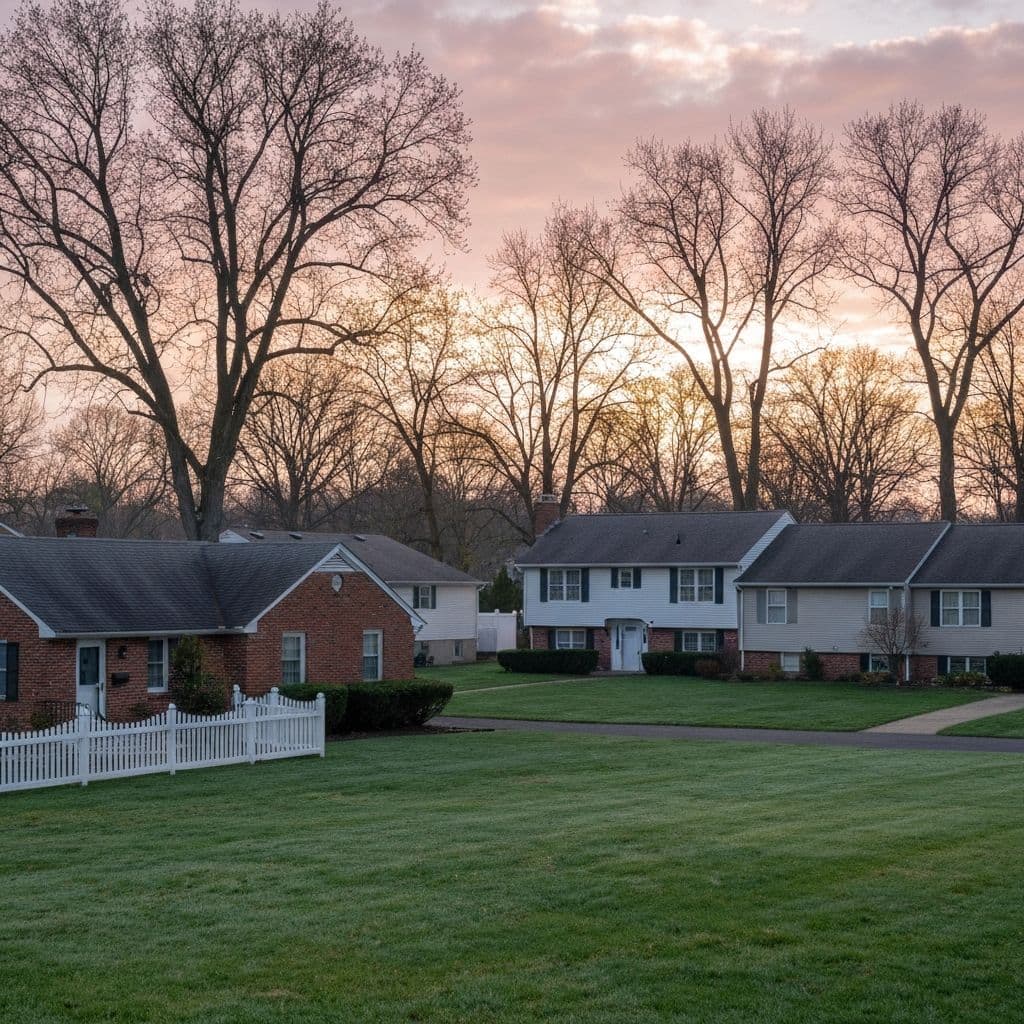
How to Repair Winter Lawn Damage: Salt Burn, Snow Mold & Plow Ruts
Minnesota winters are brutal on lawns. Between road salt, heavy snow, freeze-thaw cycles, and snow mold, your lawn takes a beating from November through April. The good news? Most winter damage is repairable with the right spring restoration plan.
Understanding Winter Lawn Damage
Winter lawn damage comes from several sources:
- Salt burn: De-icing salt kills grass tissue and contaminates soil
- Snow mold: Fungal disease that develops under snow cover
- Plow ruts: Deep compacted ruts from snow removal equipment
- Winter burn: Desiccation and frost heave damage
- Soil compaction: Ice and snow weight compact soil severely
Repairing Salt Damage
Road salt and de-icing chemicals are one of the most damaging winter lawn problems. Salt creates dead brown patches along driveways and roads.
How salt damages lawns:
- Accumulates in soil, making water unavailable to roots (osmotic stress)
- Directly burns grass tissue
- Acidifies soil pH
- Prevents seed germination
- Damages soil structure
Spring repair steps:
- Apply 2-3 inches of water over several days - Allows salt to move below root zone - Do this before applying fertilizer or seed
- Flush the soil: Water heavily in early spring to leach salt from soil
- Get soil test done in spring - Apply lime if pH is below 6.0 - Retest in fall to confirm pH recovery
- Test and adjust soil pH: Salt damage lowers pH
- Wait 2-3 weeks after initial salt flush - Use salt-tolerant grass seed - Water frequently until germination
- Overseed bare areas: Once salt is flushed, overseed
- Gypsum adds calcium without raising pH further - Apply according to soil test recommendations - Works best when combined with watering
- Apply gypsum: Helps improve salt-damaged soil structure
- Barriers along driveways redirect salt runoff - Consider de-icing alternatives (sand, kitty litter, calcium chloride)
- Install salt barriers: Prevent future damage
Recovery timeline: 4-6 weeks for moderate salt damage; severe damage may take until next season.
Treating Snow Mold
Snow mold is a fungal disease that develops under snow cover, particularly in areas where snow doesn't melt completely until spring.
Types of snow mold:
- Pink snow mold: Most common, appears as circular patches with pink tint
- Gray snow mold: Gray-white fungal coating, slower growing than pink
Prevention (for next winter):
- Avoid nitrogen fertilizer in late fall (promotes disease)
- Improve drainage in problem areas
- Prune overhanging branches to improve air circulation
- Rake out leaves before heavy snow
- Use fungicide in late fall for prevention (if history of severe mold)
Spring treatment:
- Identify affected areas: Look for circular patches and fungal growth as snow melts
- Apply aeration in early spring when soil is workable - Opens soil for better drying - Most critical treatment for mold-prone areas
- Aerate: Improve air circulation and drainage
- Gentle raking removes dead tissue - Improves air flow through remaining grass - Don't damage healthy grass underneath
- Rake thoroughly: Remove matted, diseased grass
- Wait until soil temperature reaches 55°F - Use disease-resistant grass varieties - Keep soil moist for 2-3 weeks until established
- Overseed bare spots: Fill in areas where mold killed grass
- Only apply if mold is actively spreading in spring - Most effective in early spring when conditions improve - Follow label directions carefully
- Fungicide application: For severe cases
Prevention tip: Snow mold thrives in slow-drying, poorly drained areas—improve drainage now for next winter.
Fixing Plow Ruts and Compaction
Heavy snow removal equipment creates deep ruts and severe soil compaction that damage grass and drainage.
Rut repair steps:
- Soil needs to dry out somewhat for best results - Typically mid-April in Minnesota
- Wait for spring thaw: Don't attempt repairs while soil is frozen or saturated
- Core aerate affected areas - May need double-aeration in severely compacted areas - Removes cores to relieve compaction pressure
- Aerate heavily: Most critical step for compaction
- Don't completely fill with soil (settles over time) - Fill partially with compost or topsoil mix - Adds organic matter while leveling ruts - Water to settle fill material
- Fill ruts carefully: For deep ruts
- Use durable grass seed for high-traffic areas - Kentucky bluegrass and perennial rye are excellent - Apply after soil settles and dries slightly
- Overseed: Establish new grass in rutted areas
- Professional grading for ruts deeper than 2 inches - Levels property while improving overall drainage - Worth considering if ruts impact water drainage
- Consider grading: For severe ruts
Landscape modification: For areas with annual plow ruts:
- Consider installing hardscape (mulch, gravel, pavers)
- These areas may be better used for pathways than grass
- Protects grass in nearby areas
Spring Lawn Recovery Timeline
Late March/Early April:
- Rake out winter debris
- Begin salt flushing if salt damage is present
- Wait for soil to dry enough to work
Mid-April to Early May:
- Apply soil treatments based on testing
- Aerate heavily
- Begin overseeding bare areas
- Monitor for lingering snow mold
Late May/Early June:
- Finish overseeding
- First spring fertilizer application
- Begin regular mowing and lawn care schedule
Comprehensive Spring Cleanup Plan
For complete winter damage restoration, consider professional spring cleanup:
- Debris removal and cleanup
- Aeration (heavy application)
- Overseeding bare areas
- Soil testing and amendment
- Drainage improvement
- Rut repair and grading
Preventing Future Winter Damage
Next winter strategies:
- Drainage improvements: Fix pooling areas where snow mold and compaction occur
- Selective de-icing: Use products that minimize salt damage
- Snow removal planning: Request equipment use that minimizes lawn damage
- Fall preparation: Healthy fall lawn better survives winter stress
- Grass varieties: Plant salt and disease-resistant varieties
Winter Damage Recovery Checklist
✓ Flush soil in early spring to remove salt ✓ Get soil test to check pH and nutrient levels ✓ Apply aeration (heavily for compaction) ✓ Rake out winter debris and dead grass ✓ Treat snow mold with improved drainage ✓ Fill and level plow ruts ✓ Overseed all bare and damaged areas ✓ Water consistently during recovery period ✓ Apply lime if pH is low ✓ Delay fertilizer until turf is actively growing
When to Call a Professional
Consider professional help if:
- Damage covers more than 25% of lawn
- Deep ruts require grading (deeper than 2 inches)
- Severe snow mold (more than 30% coverage)
- Major drainage issues need correction
- You want guaranteed results on timeline
Start Your Spring Lawn Recovery
Winter damage might look bad in April, but most is completely repairable by early summer. The key is starting immediately when weather allows and following a systematic restoration plan.
True North Outdoor Services specializes in spring lawn recovery. From aeration and overseeding to professional grading and drainage improvements, we restore lawns damaged by Minnesota winters. Contact us in early spring for a free assessment and custom recovery plan.
Your beautiful lawn will be ready for summer—start spring recovery today.
Ready to Transform Your Lawn?
Get professional lawn care services from True North Outdoor Services