Why Weekly Mowing Beats Bi-Weekly in Minnesota's Growing Season
Discover why weekly mowing is better for your Minnesota lawn than bi-weekly cutting. Learn the science behind mowing frequency and how it impacts lawn health during peak growing season.
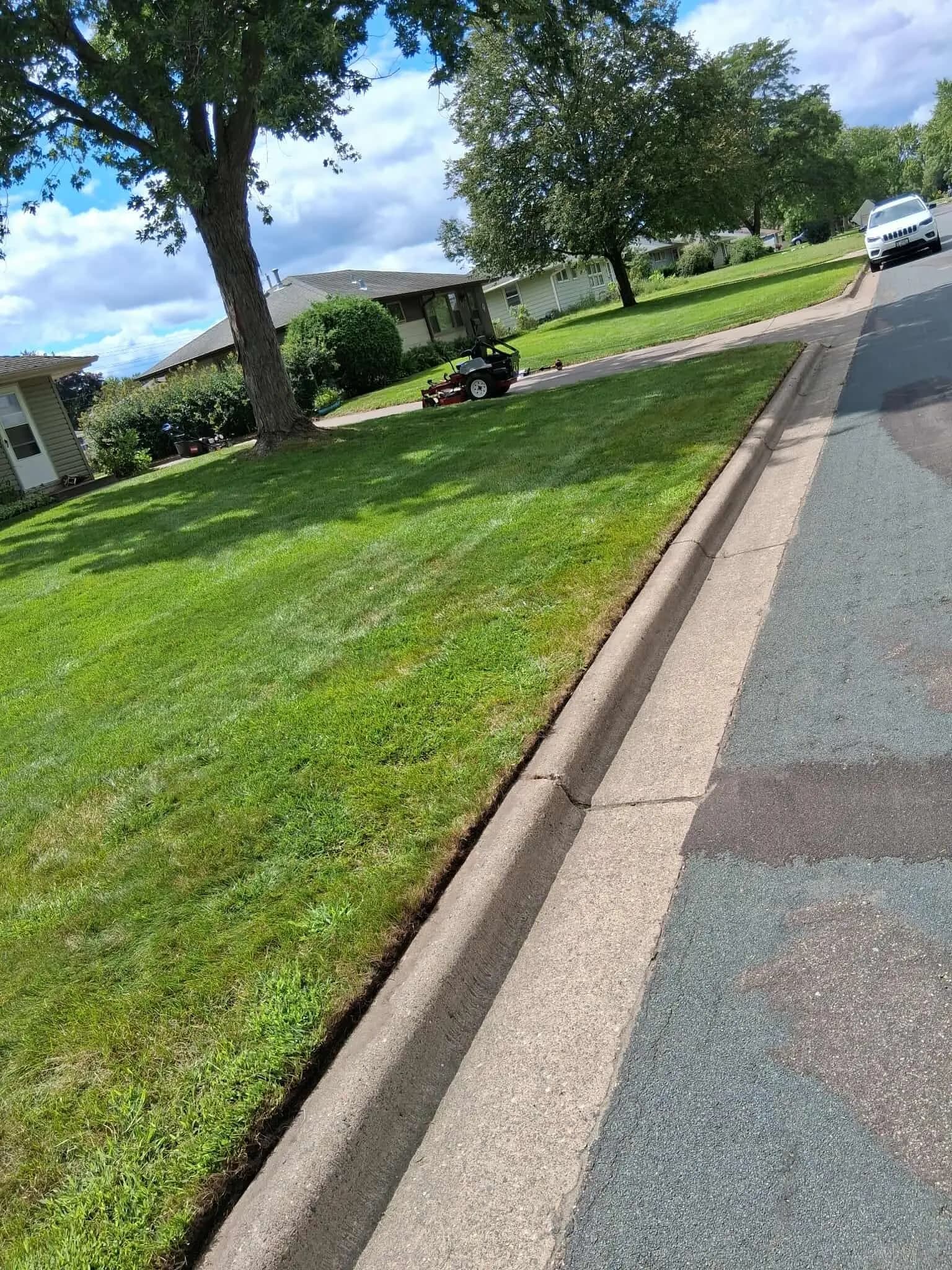
If you're debating between weekly and bi-weekly mowing in Minnesota, the answer is clear: weekly mowing wins every time during the growing season. Here's the science and practical reasoning behind why cutting your lawn every week produces a healthier, better-looking yard.
The One-Third Rule Changes Everything
The most important principle in lawn care is the one-third rule: never remove more than one-third of the grass blade in a single mowing. This is where bi-weekly mowing falls apart in Minnesota.
During peak growing season (May through early July), cool-season grasses like Kentucky bluegrass and perennial ryegrass grow 2-3 inches per week in Minnesota's climate. If you mow bi-weekly, your grass could be 4-6 inches tall, and cutting it back to 3 inches means removing 50-60% of the blade.
That level of stress causes:
- Root system shock and shortened roots
- Brown, scalped appearance
- Increased vulnerability to disease
- Weed invasion in stressed areas
- Slower recovery time between cuts
With weekly mowing, you're only removing about 1 inch of growth, staying well within the one-third rule.
Minnesota's Growing Season Is Intense
Minnesota's climate creates a unique growing pattern:
May - June: Explosive growth. Cool temperatures, long days, and spring rain push grass to grow at its fastest rate. Bi-weekly mowing during this period is almost guaranteed to violate the one-third rule.
July - August: Growth slows during summer heat, but weekly mowing still provides a cleaner, more consistent cut.
September - October: A second growth surge as temperatures cool. Weekly mowing keeps your lawn looking sharp heading into fall.
The bottom line: Minnesota's cool-season grasses grow too fast for bi-weekly cutting during at least 3-4 months of the year.
What Happens When You Skip a Week
Here's what actually occurs when you let your lawn go two weeks between mowings:
Week 1: Growth Accumulates
Your grass grows 1.5-3 inches depending on the time of year, rain, and fertilization. The lawn starts looking shaggy and uneven.
Week 2: The Damage Cut
You mow and remove far more than one-third of the blade. The results:
- Clumping: Long clippings pile up and smother grass underneath
- Scalping: Uneven areas get cut too short, exposing soil
- Stress response: Grass diverts energy from root growth to blade regrowth
- Thatch buildup: Large clippings decompose slowly and contribute to thatch
Weeks 3-4: Recovery Mode
Your lawn spends the next week recovering from the stress of over-cutting instead of growing stronger roots and thickening up.
This cycle repeats all season, keeping your lawn in a constant state of stress.
The Health Benefits of Weekly Mowing
Deeper Root Systems
When you follow the one-third rule with weekly mowing, grass maintains enough blade surface for photosynthesis. More energy goes to root development, creating a deeper, more drought-resistant root system.
Natural Weed Suppression
A thick, healthy lawn is the best weed defense. Weekly mowing at the proper height (3 inches for most Minnesota lawns) creates dense turf that shades out weed seeds and prevents germination.
Disease Prevention
Bi-weekly mowing creates conditions that favor lawn diseases:
- Tall, thick grass traps moisture
- Scalping exposes grass to fungal infection
- Stress weakens the lawn's natural disease resistance
Weekly mowing promotes better air circulation and reduces disease pressure.
Free Fertilizer (Grasscycling)
Short grass clippings from weekly mowing decompose quickly, returning nitrogen and nutrients to the soil. This natural fertilizer can reduce your fertilizer needs by up to 25%.
Long clippings from bi-weekly mowing? They clump, smother grass, and decompose slowly. Most people end up bagging them, throwing away free fertilizer.
The Appearance Factor
Let's be honest: curb appeal matters. Weekly mowing delivers:
- Clean, even stripes that last all week
- Consistent color without scalped brown patches
- Neat edges that stay defined longer
- Professional appearance that increases property value
Bi-weekly lawns spend half the season looking overgrown and the other half recovering from a harsh cut.
Cost Comparison: Weekly vs. Bi-Weekly
Many homeowners choose bi-weekly mowing to save money. But consider the hidden costs:
Bi-weekly mowing leads to:
- Increased weed growth requiring herbicide treatments
- Thin, stressed turf that needs overseeding
- Disease problems requiring fungicide applications
- A lawn that never reaches its full potential
Weekly mowing provides:
- A naturally thick lawn that crowds out weeds
- Stronger roots that survive drought and heat
- Less need for chemical treatments
- A lawn that improves year after year
The small savings from bi-weekly mowing often gets spent on fixing the problems it creates.
When Bi-Weekly Might Be OK
There are a few situations where bi-weekly mowing can work:
- Mid-summer drought: When grass goes dormant and stops growing
- Late fall: When growth slows dramatically in October
- Shaded areas: Where grass grows slower naturally
But during Minnesota's peak growing season (May through September), weekly mowing is the clear winner.
Making Weekly Mowing Easy
If the time commitment of weekly mowing is the concern, consider:
- Hiring a professional service: True North Outdoor Services handles weekly mowing so you don't have to
- Investing in a quality mower: A good mower cuts faster and cleaner
- Combining with other services: Pair weekly mowing with edging and shrub trimming for a complete look
The Professional Difference
At True North Outdoor Services, our weekly mowing service includes:
- Precision cutting at the optimal 3-inch height
- Alternating mowing patterns to prevent compaction
- String trimming around all obstacles
- Edging along walkways and driveways
- Blowing all hard surfaces clean
We serve Ramsey, Anoka, Andover, Blaine, Coon Rapids, and all surrounding communities in the Twin Cities north metro.
The Bottom Line
Weekly mowing during Minnesota's growing season isn't a luxury -- it's the foundation of a healthy lawn. It follows the one-third rule, promotes deeper roots, suppresses weeds naturally, and keeps your property looking its best all season long. Your lawn will thank you, and your neighbors will notice the difference.
Ready to switch to weekly mowing? Get a free quote from True North Outdoor Services today.
Ready to Transform Your Lawn?
Get professional lawn care services from True North Outdoor Services